Condominium mediation
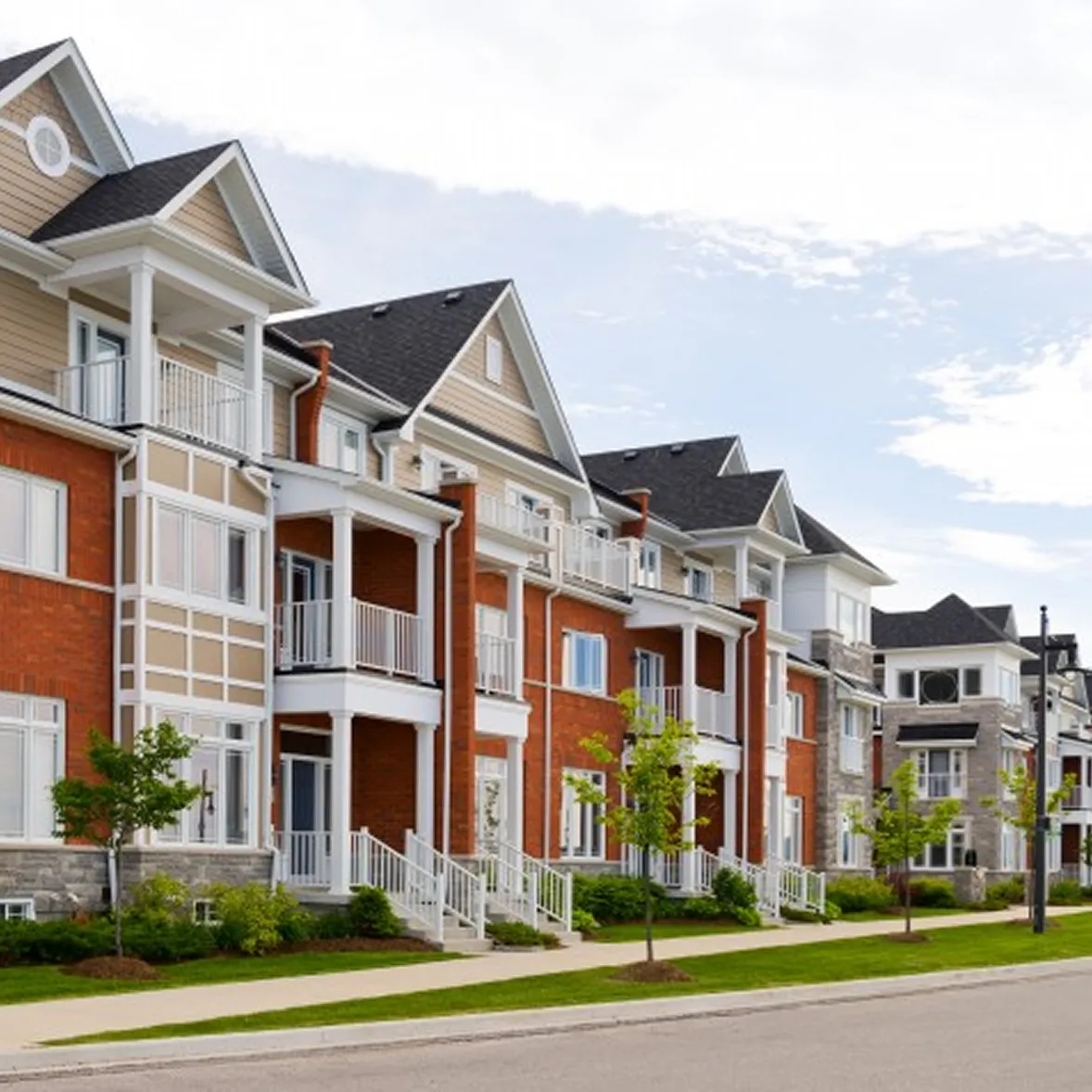
Support in mediation
Are you struggling to enforce the declaration of co-ownership?
Are your co-owners' lifestyle habits causing you harm?
Are you a lawyer looking to help your clients through a more flexible, faster, and affordable settlement process?
CHABOT Mediateurs Avocats can address your concerns. We will provide you with an accredited, impartial professional experienced in handling all kinds of co-ownership situations.
Contact usHere are a few examples of cases in which our mediation professionals have been involved over the years:
- Contribution to common expenses
- Changes to co-ownership bylaws
- Interpretation of the declaration of co-ownership or indivision agreement
- Administration of the co-ownership syndicate
- Management of the co-ownership
- Partition of indivision
Why choose mediation?
Mediation gives participants flexibility and creativity in designing a solution that satisfies everyone involved.
It allows the dispute to be explored as a whole by considering the parties emotions, perceptions, values, and concerns.
Mediation helps preserve human relationships rather than simply deciding who has the stronger legal argument.
Contact us
Mediation process
1. Establishing the mandate
First, the co-ownership syndicate must give a professional mandate to the mediator and sign a related document. The mediator will then meet with the syndicate individually to explain the mediation process and gather information about the dispute context, as well as the syndicate needs and expectations.
2. Review of documents
The co-ownership syndicate must provide the mediator with documents relevant to resolving the dispute (declaration of co-ownership or indivision agreement, corporate records of the co-ownership syndicate, etc.).
3. Pre-mediation
Each co-owner involved may have an individual pre-mediation session with the mediator. The objective is to help the mediator understand all issues surrounding the dispute, such as events that occurred, emotions involved, and each person's expectations, needs, and concerns. This helps the mediator facilitate settlement more effectively.
4. Mediation
During this meeting with all parties and the mediator present, the goal is to review the facts surrounding the dispute, identify the issues to address, and establish a structure for productive discussions. In open, transparent, and respectful exchanges, each participant can express their perspective, concerns, expectations, emotions, and questions. The mediator maintains harmony in discussions and ensures everyone has an opportunity to speak.
At any point, if requested by a party or deemed appropriate by the mediator, a caucus may be held. This allows the mediator to speak privately with one party, while informing the other that a caucus is taking place, to request clarifications or for any other legitimate reason.
Our objective is that, throughout the process, participants leave our offices feeling heard, understood, and acknowledged by one another. The dialogue phase may require more than one session depending on the needs and complexity of the situation.
5. Assessment of options and alternatives
Once the dispute issues have been discussed, each co-owner shares ideas and solution paths. The mediator may intervene to encourage creativity without imposing a solution. The parties then choose the option that best fits their constraints, relevant considerations, and pre-existing agreements that must be respected.
6. Mediation outcome
a) Written agreement
If the parties reach an agreement by selecting a mutually satisfactory solution, the mediator drafts a summary of the agreement. At this stage, the mediator ensures that the chosen solution respects each person's rights and freedoms, as well as public order. Participants may choose to rely on this summary, which is a contract signed by them, and perform it in good faith even though it does not yet have judgment force. They may also choose to have the document homologated by a judge, giving the agreement the force of a judgment. In that case, if one party fails to comply, the other may seek court enforcement.
b) No written agreement
If participants do not reach an agreement at the end of mediation, they may choose to initiate legal proceedings. However, they remain free to change course and attempt mediation again later. Keep in mind that information exchanged in mediation remains confidential and cannot be presented in court if legal proceedings are pursued.
Frequently Asked Questions
Who is eligible to attend?
Generally speaking, the people present during mediation are the parties to the dispute and the mediator. With everyone’s consent, you may be accompanied during the process by a family member, a lawyer, or any other person whose input may be helpful to the smooth conduct of the process and the resolution of the dispute.
If you wish to be accompanied by a lawyer, please be aware that the lawyer’s role during a mediation session is not to speak on your behalf. The lawyer can help you evaluate new information and settlement offers and actively contribute to drafting the agreement. You may always consult a lawyer before signing an agreement.
Fees
Parties who wish to participate in a pre-mediation meeting, that is, an individual session with the mediator (see the section on the Mediation Process), must bear the costs of that session themselves. With regard to the mediation session in which all participants are present, the associated costs will be shared equally, unless the parties agree otherwise or the court orders otherwise.